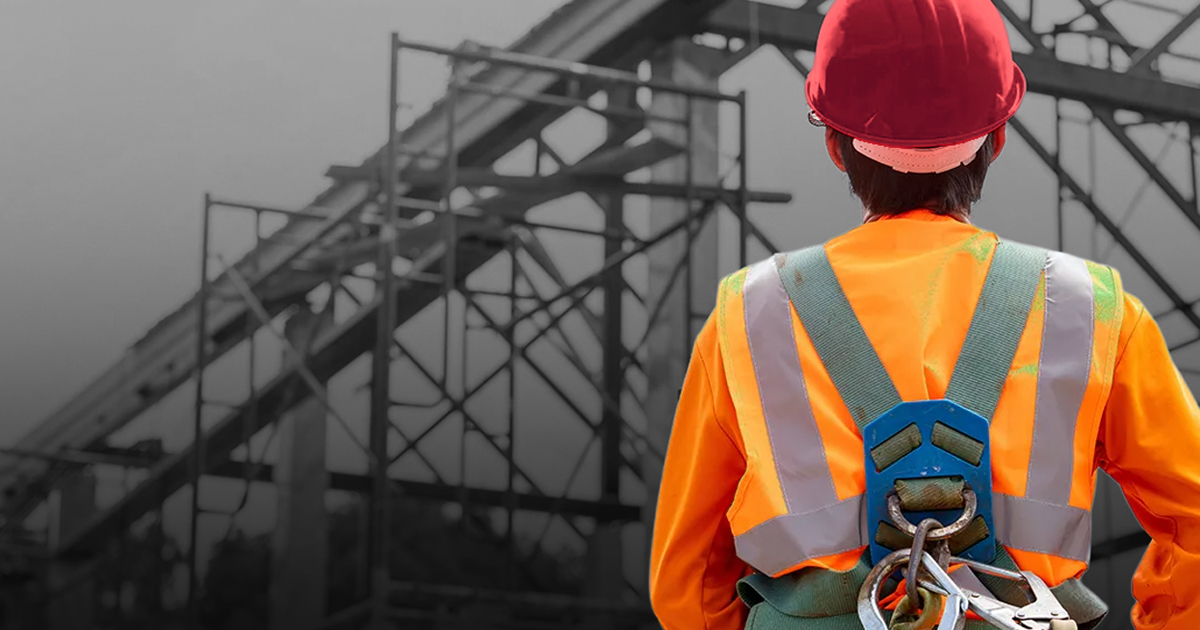
Your fall protection program may be fully compliant, but when was the last time you evaluated the equipment behind it?
For safety managers, operations leaders, supervisors, and trainers, fall protection is already part of daily operations. Your team understands the hazards of working at height, and OSHA requirements are likely built into your safety program.
The challenge comes after the equipment is purchased.
How often should it be inspected? When should it be replaced? Is older equipment still compliant? Are employees receiving enough training to use it correctly?
These are the questions that often determine whether a fall protection program remains effective over time.
From construction sites and roofing projects to manufacturing facilities, warehouses, utility operations, and oil and gas environments, maintaining reliable fall protection equipment requires more than checking a compliance box. It requires ongoing attention to inspections, equipment condition, training, and continuous improvement.
The following FAQs address some of the most common questions safety professionals ask when evaluating their fall protection programs.
Frequently Asked Questions About Fall Protection Equipment
When Is Fall Protection Required?
Most safety professionals are already familiar with OSHA’s fall protection requirements, but they remain an important foundation for equipment planning.
In construction, fall protection is generally required when employees are working 6 feet or more above a lower level. In general industry settings such as warehouses, manufacturing facilities, and distribution centers, the threshold is generally 4 feet.
The more important question for many organizations is not when fall protection is required, but whether the equipment currently being used is still the right solution for the work being performed.
As facilities expand, workflows change, and hazards evolve, equipment that met your needs several years ago may no longer provide the best level of protection or efficiency.
What’s the Difference Between Fall Arrest and Fall Restraint?
While the terms are often used interchangeably, they serve different purposes.
A fall restraint system prevents workers from reaching a fall hazard altogether. The system is designed to stop the employee from accessing an unprotected edge or elevated danger zone.
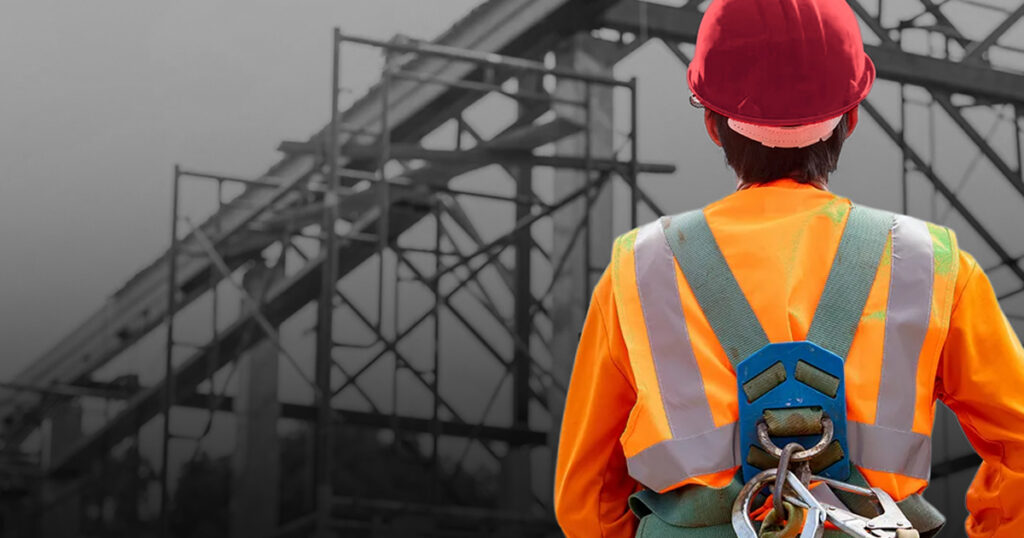
A fall arrest system allows workers to perform tasks where a fall could occur but is designed to stop the fall safely if one happens. These systems often include a full-body harness, anchorage point, connecting device, and self-retracting lifeline (SRL).
Understanding the difference helps safety managers select equipment based on the task rather than simply meeting minimum requirements. In many situations, preventing exposure to the hazard can be more effective than relying on a system to stop a fall after it begins.
How Often Should Fall Protection Equipment Be Inspected?
If there is one area where organizations can significantly reduce risk, it is equipment inspection.
Employees should inspect their equipment before every use. Harnesses, SRLs, connectors, anchors, and lanyards should be checked for signs of wear, damage, corrosion, or missing components.
However, relying solely on pre-use inspections can create blind spots.
Formal inspections conducted by a competent person help identify gradual wear, environmental damage, and equipment degradation that may not be obvious during day-to-day use. They also provide documentation that supports compliance efforts and demonstrates a proactive approach to worker safety.
Think of inspections the same way you would preventative maintenance on critical machinery. Small issues are easier and less expensive to address before they become larger problems.
For safety managers overseeing multiple crews or locations, inspection records can also help track equipment age, identify recurring concerns, and support replacement planning.
When Do I Need to Replace or Upgrade Fall Protection Equipment?
One of the most common mistakes organizations make is waiting until equipment looks damaged before replacing it.
Visible wear is certainly a warning sign, but it should not be the only factor guiding replacement decisions.
Equipment that has been involved in a fall event should be removed from service immediately. Other indicators may include damaged webbing, frayed stitching, cracked hardware, corrosion, faded labels, or components that no longer function as intended.
Environmental exposure also matters. Equipment used in harsh weather conditions, chemical environments, or high-use applications may require replacement sooner than equipment stored in controlled conditions.
Upgrades are equally important to consider.
Modern fall protection products often provide improvements in mobility, comfort, and ease of use. Employees are more likely to wear and properly use equipment that fits comfortably and supports productivity.
For example, facilities looking to improve protection around ladders, rooftop access points, and elevated platforms may benefit from installing modern safety gate systems. Learn how secure safety gates can improve workplace safety while maintaining efficient facility access.
When evaluating your program, ask a simple question: Is your equipment merely functional, or is it helping workers perform their jobs as safely and efficiently as possible?
Can Fall Protection Equipment Be Shared?
The answer depends on the equipment and how it is managed.
Many organizations assign harnesses and other personal fall protection equipment to individual workers. This approach improves accountability, simplifies inspection tracking, and helps ensure proper fit.
Shared equipment can be appropriate in certain situations, particularly for specialized rescue and descent systems or equipment that is used infrequently.
However, shared equipment requires consistent documentation and inspection procedures. Every employee should understand how to inspect equipment before use and how to report concerns before the equipment is returned to service.
The more employees who use a piece of equipment, the more important clear accountability becomes.
How Do I Know If My Equipment Is OSHA Compliant?
Compliance begins with selecting products that meet applicable standards, but it does not end there.
Equipment must also be inspected, maintained, stored, and used according to manufacturer recommendations.
When evaluating equipment, safety managers should verify that products meet OSHA and ANSI requirements while also considering the specific hazards workers face on the job.
This is where working with an experienced supplier can make a significant difference.
Whether you’re evaluating full-body harnesses, self-retracting lifelines, safety gates, roofing kits, or rescue and descent systems, selecting the right equipment helps strengthen both safety performance and operational efficiency.
Explore Arnco’s complete line of fall protection equipment designed to support safer work at height across a variety of industries.
What Training Is Required?
Even the best equipment cannot protect workers if it is not used correctly.
Employees need to understand how to inspect equipment, recognize hazards, select proper anchor points, wear harnesses correctly, and follow rescue procedures when necessary.
Many organizations provide training during onboarding and assume the information will remain fresh indefinitely. In reality, equipment changes, job responsibilities evolve, and workers can develop habits that drift from established procedures.
Regular refresher training helps reinforce best practices while giving supervisors an opportunity to identify knowledge gaps before they contribute to incidents.
Training also plays a critical role in building employee confidence. Workers who understand how and why equipment functions are more likely to use it correctly and consistently.
For additional insights into improving compliance, reducing fall hazards, and strengthening workplace safety culture, review this comprehensive fall prevention guide.
Building a Stronger Fall Protection Program
The most successful fall protection programs aren’t built around equipment alone.
While the right equipment helps prevent falls, it’s the right inspections, training, and planning that help ensure your equipment performs when it matters most.
They combine reliable products, routine inspections, documented replacement practices, employee accountability, and ongoing training.
When these elements work together, organizations are better positioned to reduce risk, improve compliance, and create a safer work environment for everyone working at height.
A proactive approach also helps prevent unexpected equipment failures, supports operational efficiency, and demonstrates a genuine commitment to worker safety.
Protect Your Team with the Right Equipment and Training
Whether you’re evaluating aging equipment, planning facility upgrades, or looking to strengthen employee training, now is the time to take a closer look at your fall protection program.
Arnco offers a wide range of fall protection equipment, including full-body harnesses, self-retracting lifelines, roofing kits, safety gates, and rescue and descent systems designed to help organizations improve safety and compliance.
For additional workplace safety insights, visit our Arnco Safety Blog or schedule a Safety Training for practical guidance on fall prevention, safety equipment, and best practices across a variety of industries.
Ready to improve your fall protection program? Whether you need equipment recommendations, assistance evaluating your current systems, or fall protection training for your team, contact Arnco today to speak with a safety specialist and request more information.